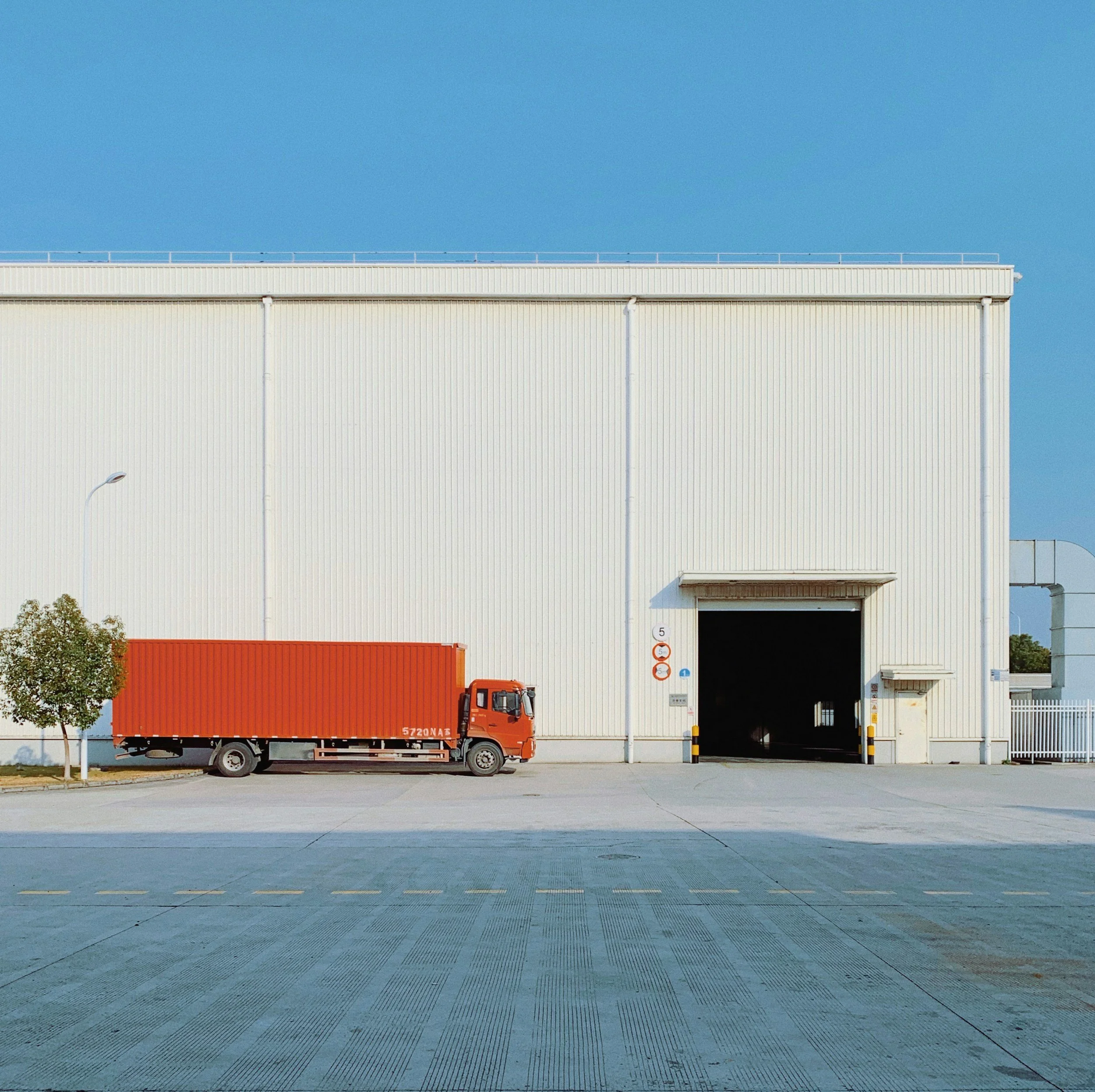
If you run an independent appliance, furniture or general merchandise store, sooner or later someone will suggest you buy a liquidation truckload. It can be a strong way to stock a store, and it can also be an expensive lesson if you go in unprepared. Here's what we'd tell a store owner who is about to buy their first one.
What a liquidation truckload actually is
A liquidation truckload is a full trailer of secondary-market inventory, usually customer returns, overstock, scratch-and-dent or a mix, sold as one lot. You're buying the whole load as it sits. Some of it will be like new, some will need cleaning or a minor repair, and some may not be sellable at all. That mix is normal, and it's the reason the product is sold the way it is.
If you want the supplier's side of the story, we explain it in how truckload liquidation works.
Before you buy a liquidation truckload, check these five things
Can you receive it? A full trailer is a lot of product arriving at once. Do you have a dock, or will you need a forklift or a crew to unload from the ground? How long can the truck wait?
Do you have the space? You need room to unload, sort and stage the product before it reaches the sales floor. A load that blocks your store for a week costs you sales.
Do you know the category? Start with products you already know how to test, price and sell. Your first truckload is not the time to learn a new category.
Do you understand the condition? Ask how the load is described: returns, overstock, scratch-and-dent, tested or untested. Ask whether there's a manifest listing what's on the trailer.
Have you counted every cost? The load itself is only part of it. Add freight, unloading labor, testing and cleaning time, parts, and disposal of anything you can't sell.
Questions to ask the seller
Where does the inventory come from, and is the source consistent from load to load?
Is the load manifested? If so, how accurate have past manifests been?
How is freight arranged, and who schedules the delivery?
What happens if the load is very different from how it was described?
Can I buy on a regular schedule once I know the product works for my store?
A seller who answers these plainly is a seller you can build with. Vague answers are a warning sign.
Plan for the first week after it arrives
The stores that do well with truckloads treat receiving as a process, not an event. Unload and sort by condition right away. Test everything that plugs in before it gets a price tag. Set aside the units that need work so they don't slow down the ones that are ready. Price the ready product and get it on the floor quickly, because product that's sitting in the back isn't earning anything.
We run our own retail store in Joshua, Texas, and every appliance there is plugged in and tested before a customer sees it. That one habit prevents most of the problems a store can have with secondary-market product.
Think in loads, not a load
One truckload tells you a little. Several loads from the same source tell you a lot: what the typical mix looks like, how much needs work and how fast it sells in your market. That's why most successful buyers settle into a recurring relationship with a supplier they trust instead of chasing one-off deals.
SVSS Liquidation ships full truckloads direct from supplier distribution centers to independent retailers in multiple states, and most of our buyers take loads on a recurring basis.
Ready to talk about a first load?
If you're thinking about buying truckloads for your store, we're happy to walk you through how it works and whether it fits your operation. Contact SVSS Liquidation to get started.