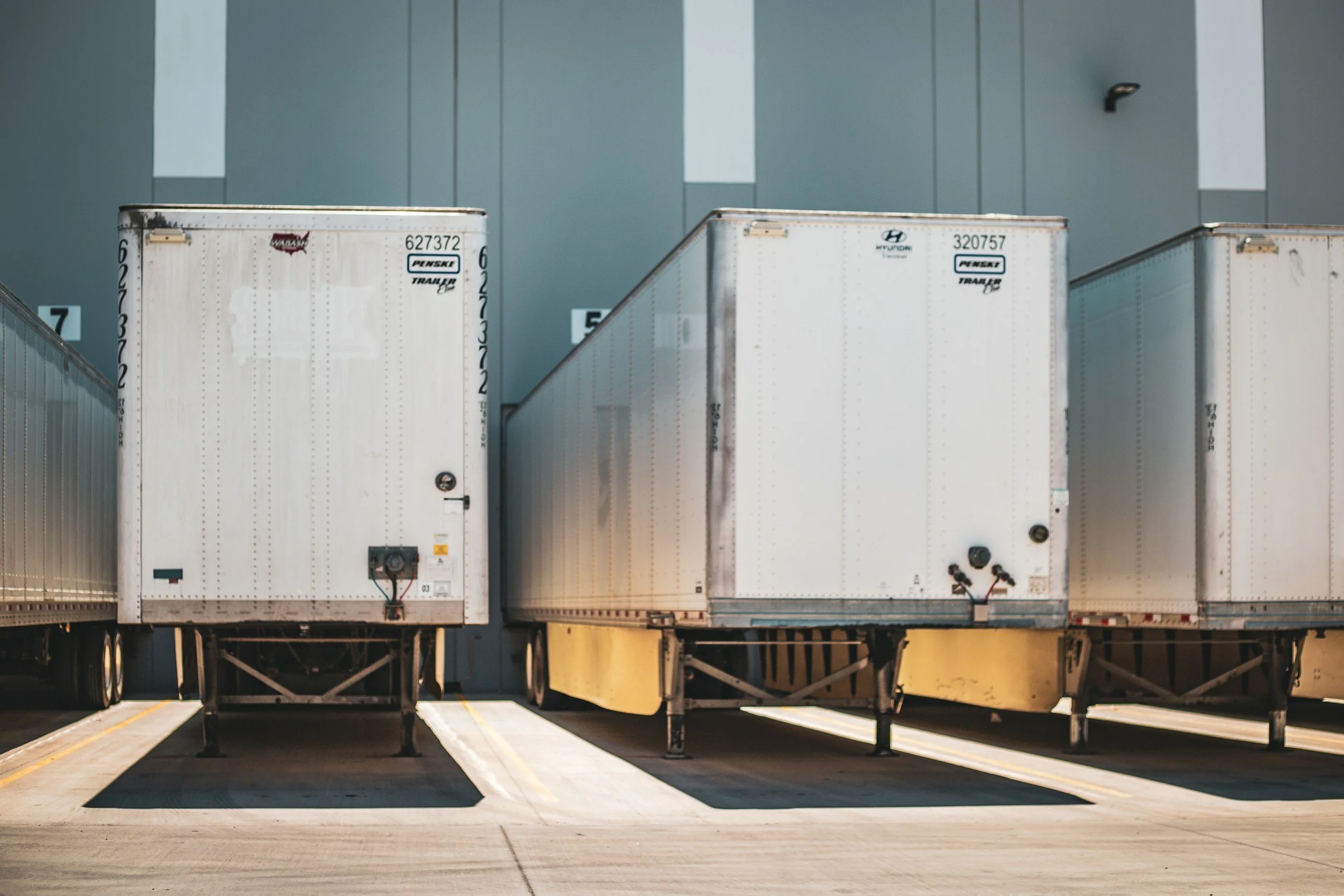
If you run a retail chain, a manufacturing operation or a distribution center, you already know the pile: customer returns, overstock, scratch-and-dent units, floor models, and cartons that got dinged on the way in. It can't go back on the shelf as new, and it's sitting in space you need. This is a plain-English look at how truckload liquidation works, from the first conversation to the trailer pulling off your dock, written by people who do it every day.
What truckload liquidation actually means
Truckload liquidation means selling secondary-market inventory in full trailer quantities to a buyer who takes the whole load as it sits. Instead of sorting units one at a time, or letting pallets age in a back corner, you sell the load as a load. The buyer accepts the mix of conditions, lines up where the product goes next, and it moves on to stores that are set up to sell it.
That's what we do at SVSS Liquidation. We're a family-operated company in Joshua, Texas. We buy by the full truckload only, directly from retailers and manufacturers, and we ship those loads to independent retailers in multiple states who buy from us on a recurring basis. We also run our own retail store, so we see this product from both sides of the counter.
How truckload liquidation works, step by step
Every supplier is a little different, but the process usually follows the same path.
A conversation about what you have. What categories, what conditions (returns, overstock, scratch-and-dent, discontinued), where it sits, and how fast it builds up. A one-time cleanout and a steady weekly flow are two very different programs.
A look at the inventory. If you have a manifest, meaning a list of what's on the load, that's the best starting point. If you don't, a description of the category mix and condition, plus a few photos, goes a long way.
An offer on the load. The buyer prices the load as a whole, based on the product mix, the condition and the freight lane. It can be a single purchase or a standing arrangement for every load that fills.
Scheduling the pickup. Both sides agree on a pickup window, your dock hours, how the trailer will be loaded and the paperwork that goes with it.
The load ships. In our model, the trailer goes direct from your distribution center to the wholesale buyer's store. It doesn't stop at a warehouse in the middle to be unloaded and reloaded.
Repeat. Once a lane is working, it becomes routine. The trailer fills, you let us know, and it leaves.
Why full truckloads instead of pallets
Selling by the truckload isn't the only way to move secondary inventory, but for steady volume it solves several problems at once:
You get your space back in one move. A full trailer leaving clears a lot of floor at once.
One buyer, one pickup, one set of paperwork. You aren't coordinating a dozen small shipments to a dozen different people.
Less handling. Product that is loaded once and unloaded once has fewer chances to pick up new damage.
It can be planned. Recurring loads fit around your dock schedule instead of fighting it.
To be fair, truckload selling isn't the right fit for every situation. If you only have a few pallets, or you'd rather work through inventory item by item, a different approach may serve you better. Truckload liquidation is built for volume that needs to keep moving.
Where the product goes after it leaves your dock
Most of the loads we handle go to independent appliance, furniture and general merchandise stores. Those stores unload the trailer, check and grade what they received, and put it on their sales floor at a discount. In our own store in Joshua, every appliance is plugged in and tested before a customer sees it.
The result is that product gets used instead of scrapped. If you care about where your brand shows up in the secondary market, and you should, ask any liquidation partner where your loads go and what resale restrictions they will honor. That's a question to raise at the start, not after the first trailer has left.
What to have ready before you call a liquidator
You don't need everything figured out, but these details make the first conversation a lot more productive:
The product categories and a rough condition mix
How many truckloads you have now, and how often more will build up
A manifest, or whatever inventory data you can pull
The ship-from location, dock hours and how you load trailers
Any restrictions on where or how the product can be resold
Talk to us about your next load
If you have returns, overstock or scratch-and-dent inventory building up, we'd like to hear about it. Get in touch with SVSS Liquidation and we'll talk through whether a truckload program makes sense for your operation.