Most conversations about retail supply chains follow product in one direction: from the factory to the shelf to the customer. But a meaningful share of what gets made never completes that trip, or completes it and comes back. Secondary markets in retail are where that inventory goes next. They rarely get much attention, yet a primary retail operation depends on them more than most people realize.
What secondary markets in retail are
The primary market is the one everyone knows: new product, sold at full price or on promotion, through a retailer's own stores and website. The secondary market is everything that happens after a product falls out of that channel. It includes liquidators, wholesalers, independent discount and outlet stores, and the shoppers who buy from them.
Product reaches the secondary market for ordinary reasons: a customer returned it, a carton was crushed, a floor model was retired, a newer version replaced it or the retailer simply ordered more than it could sell. None of that means the product is bad. It means the product no longer fits the channel it was bought for.
Why primary retail depends on a dependable outlet
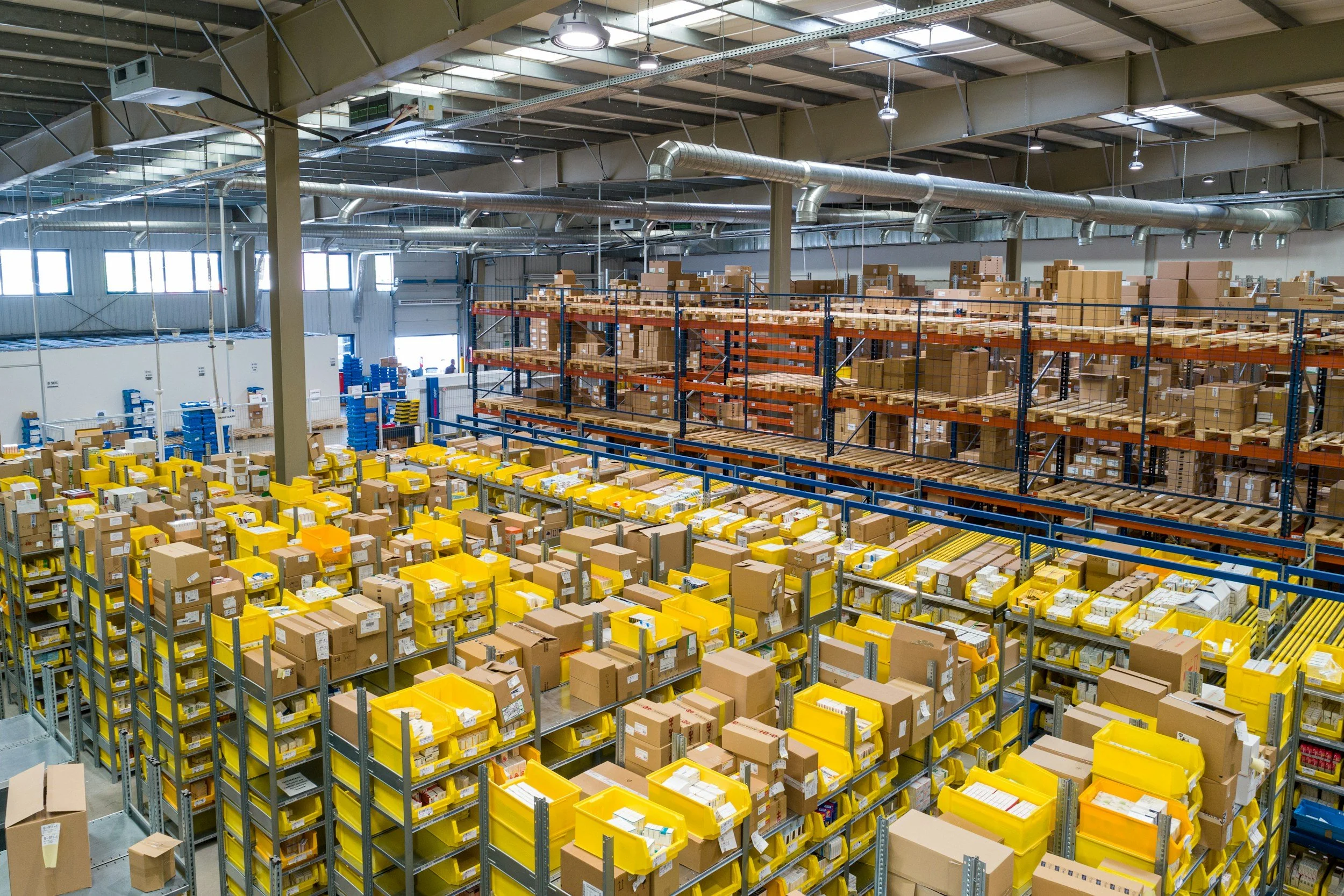
A distribution center is built to move product through, not to store it indefinitely. Every pallet of returns or overstock that sits is using space, labor and attention meant for new inventory. Without a reliable place to send that product, a few things happen:
Space runs out. Returns areas overflow into the lanes and doors that outbound freight needs.
Value drains away. In categories where models change regularly, product that waits is product that is aging.
Decisions get rushed. When the building is full, sellable goods are more likely to be scrapped just to clear the floor.
Peaks become emergencies. The weeks after a big selling season bring a surge of returns, right when the operation can least absorb it.
A dependable secondary-market outlet works like a release valve. It lets the primary operation keep doing what it was designed to do.
What the secondary market does for everyone else
The benefits don't stop at the supplier's dock.
Independent retailers get inventory. Small appliance, furniture and general merchandise stores can stock name-brand product they couldn't otherwise source.
Shoppers get value. Plenty of households are glad to buy a working appliance with a cosmetic flaw at a lower price.
Less goes to waste. Product that is resold and used stays out of the landfill, which matters to a growing number of companies and their customers.
What makes a secondary-market partner dependable
Not every outlet is equally useful to a supply chain. The ones that work well over time tend to be consistent in a few ways:
They take the inventory on a predictable schedule, including during peaks.
They coordinate freight without disrupting the dock.
They are clear about where the product will be resold.
They are the same people to deal with, load after load.
We've written more about the mechanics in what reverse logistics is and about the choices suppliers face in three ways to liquidate excess inventory.
Where we sit in the chain
SVSS Liquidation is one link in that secondary market. We're a family-operated company in Joshua, Texas. We buy returns, overstock and scratch-and-dent inventory by the full truckload directly from retailers and manufacturers, and ship it to independent retailers in multiple states. We also run our own retail store, so we see both the wholesale and the retail end of it.
Looking for a dependable outlet?
If your operation needs a steadier way to move returned and excess inventory, we'd like to talk. Contact SVSS Liquidation and tell us what you're working with.