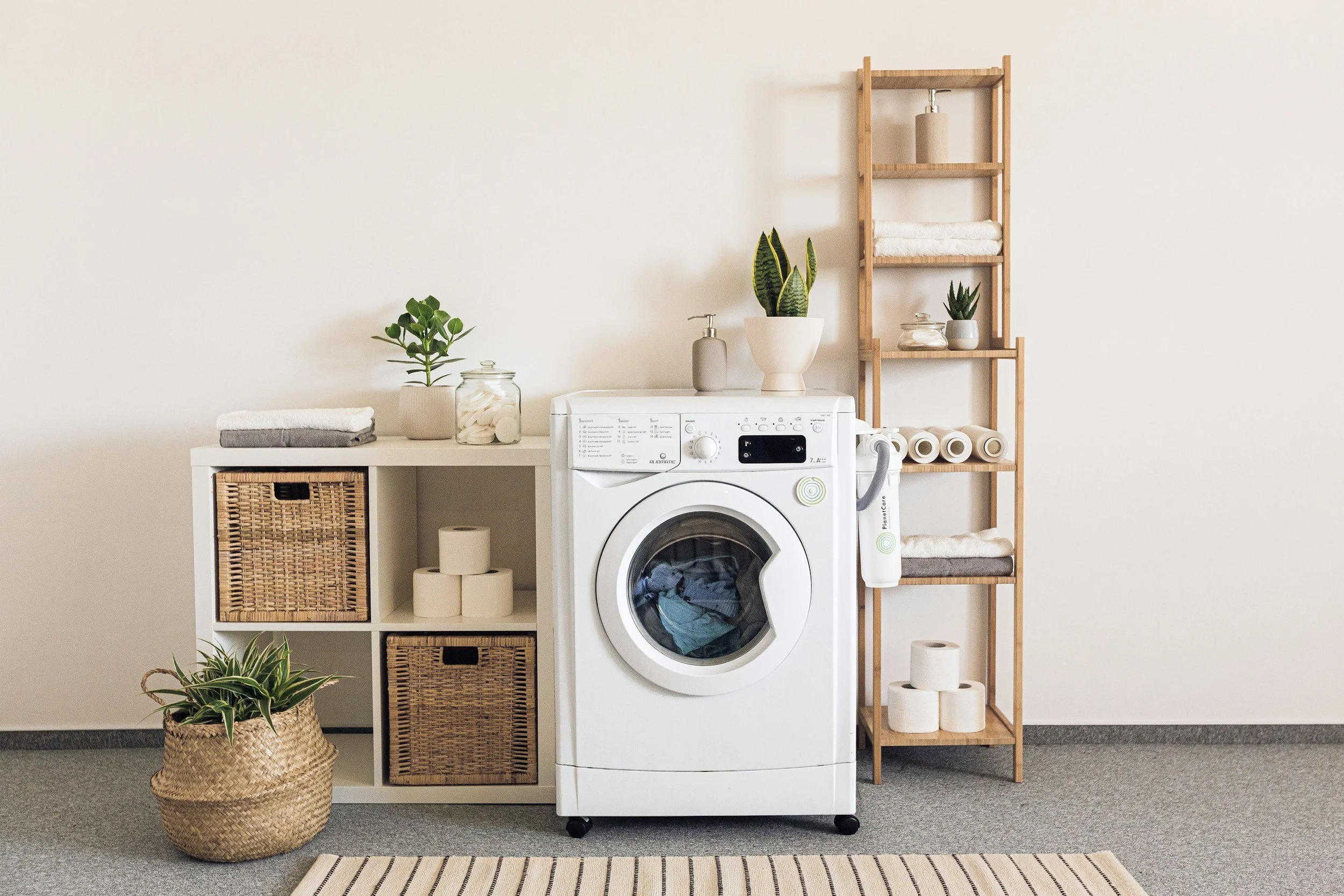
Open-box appliances can be some of the best inventory an independent store carries: name-brand product, strong demand and room to offer a real discount. They can also cause headaches when a store treats them like new stock. We buy this product by the truckload and sell it in our own store, so here is what we think every appliance retailer should understand before putting open-box units on the floor.
What open-box appliances are
Open-box is a loose term. In practice it covers any appliance that can't be sold as factory new but isn't used in the ordinary sense. That includes:
Customer returns. Delivered and sent back, sometimes without ever being installed.
Scratch-and-dent. Cosmetic damage from shipping or handling, with nothing wrong mechanically.
Floor models. Display units that shoppers have opened and closed for months.
Damaged-box units. A torn or crushed carton around an untouched appliance.
Overstock and discontinued models. New product that the original retailer needed to clear.
These behave differently. A damaged-box unit is close to new. A customer return may need real attention. Knowing which one you're looking at is the first step.
Test every open-box appliance before you price it
If there is one rule, this is it. In our store in Joshua, Texas, every appliance is plugged in and tested before a customer sees it. A basic routine covers most problems:
Inspect it. Look for dents, cracked panels, bent doors, missing shelves, drawers, racks, knobs and feet.
Power it on. Check the controls, display, lights and every setting you can reach.
Run it. Let a refrigerator get cold. Run a washer through fill, wash, drain and spin. Heat an oven and each burner. Run a dryer and confirm it heats.
Look for leaks and listen. Water on the floor or an unusual noise is easier to find in your back room than in a customer's kitchen.
Clean it. A unit that has been wiped down and had its tape and stickers removed sells faster.
Grade honestly
Shoppers will forgive a dent they were told about. They won't forgive one they found after delivery. Sort tested units into a few simple grades, for example like-new, minor cosmetic and visible cosmetic, and mark the flaw on the tag. Honest grading does more for repeat business than any discount.
Price for condition, not for the sticker
The original retail price is a reference point for the shopper, not a formula. Price each grade against what the same model sells for new in your market, and leave enough difference that the buyer feels good about the trade-off. Keep in mind what the unit cost you beyond the purchase: freight, testing time, parts and the occasional unit that can't be sold.
Know where you stand on warranties
Manufacturer warranty coverage on open-box and secondary-market appliances varies by brand and by how the unit left the original channel, and it often doesn't carry over. Don't promise a manufacturer warranty unless you have confirmed it for that unit. Many independent stores offer their own short store warranty instead, which gives customers confidence and keeps the promise within your control. Whatever your policy is, put it in writing and explain it at the sale.
Set up the floor for it
Group open-box units together and label them clearly, so shoppers understand why the price is lower.
Keep a few units connected for demonstration when you can.
Stock the common missing parts, such as shelves, racks and hoses.
Turn inventory quickly. Open-box product earns its keep by moving.
Buying open-box by the truckload
Most stores that do well with this product buy it in full loads from a consistent source, so they learn what to expect. If you're new to that, read our guides on buying your first liquidation truckload and how to read a liquidation manifest.
Want appliance loads for your store?
SVSS Liquidation ships full truckloads of appliances and other secondary-market inventory to independent retailers in multiple states. Contact us to talk about what would fit your store.